BHOC Initiative · Global Intelligence

Wildlife & Species Conservation Intelligence.

Tracking the people, science, funding and programs working to protect wildlife, restore endangered species and strengthen conservation medicine worldwide.

Updated 12 Sep 2026Global · newest firstScroll news ↓
Large flocks of lesser and greater flamingos at Lake Natron, representing migratory-bird flyway conservation across bordersPhoto: Akshita Rabdiya / BirdLife International

Nairobi Flyways Declaration links migratory-bird recovery to development finance.

At the Global Flyways Summit, governments, scientists, NGOs, conservationists and financial institutions signed the Nairobi Flyways Declaration, committing to coordinated conservation across entire migration routes. BirdLife reports that three multilateral development banks are integrating flyway conservation into lending frameworks, with more than $6 billion in conservation finance being mobilised since 2021. The Asian Development Bank is mobilising $3 billion over 10 years for at least 50 priority wetlands; CAF is mobilising $3–5 billion through 2050 for more than 30 landscapes and seascapes; and the World Bank and BirdLife are mobilising several billion dollars across Africa, Europe and Asia. The scale matches the biological problem: 45% of migratory bird species are declining and one in nine is threatened with extinction.
Why it mattersTop-tier global initiative: cross-border conservation + multilateral development finance + whole-flyway scale
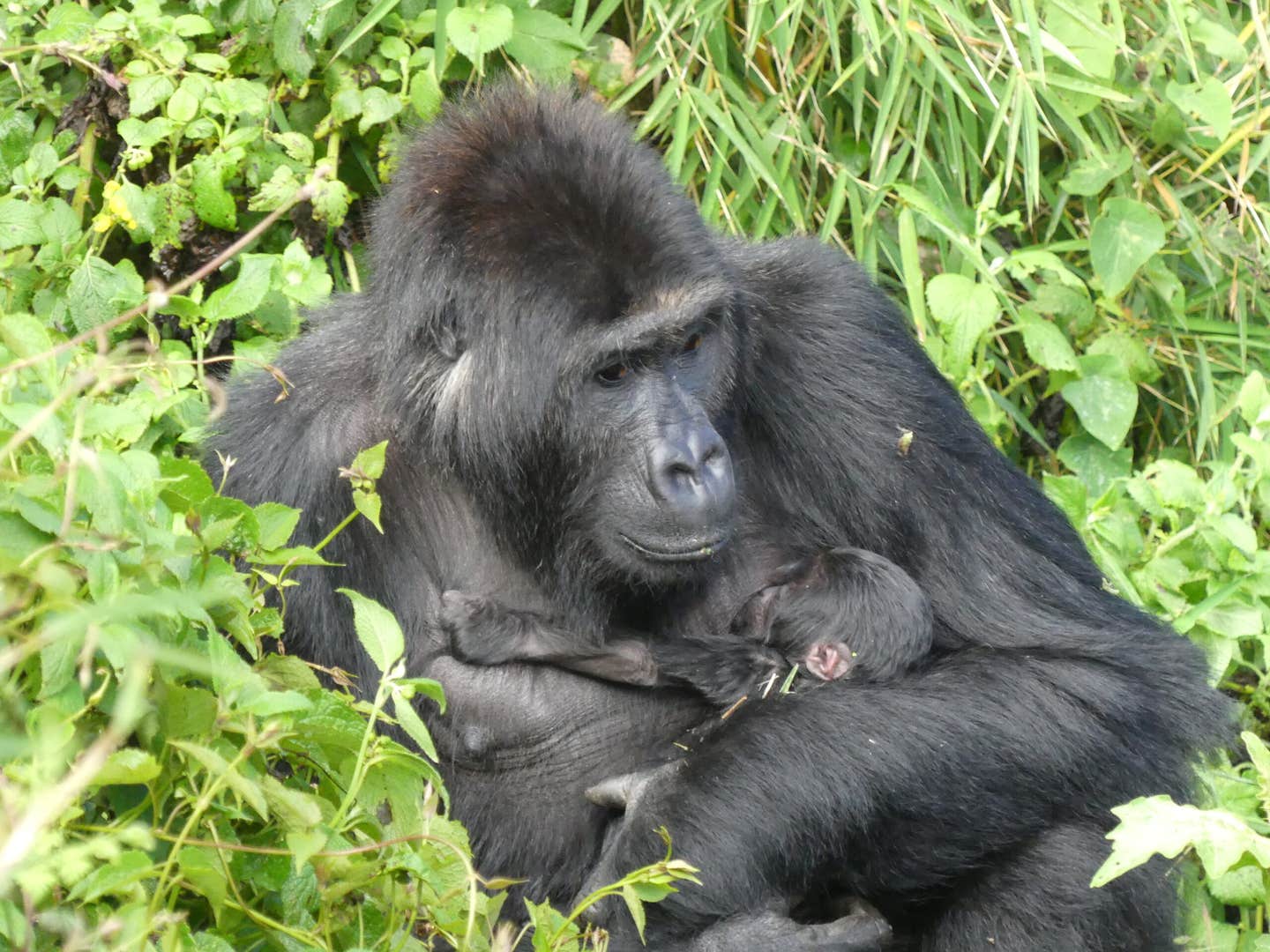
Eastern lowland gorilla Lulingu caring for her infant after successful rewilding in Virunga National ParkPhoto: GRACE Gorillas / Re:wild

Rescued Grauer’s gorilla gives birth after historic return to the wild.

Lulingu, a critically endangered eastern lowland (Grauer’s) gorilla rescued from the illegal wildlife trade at about 18 months old, has given birth after being rewilded at Mt. Tshiaberimu in Virunga National Park. She was one of four females returned from the GRACE sanctuary to reinforce a small isolated population judged at high risk of extinction without reproductive females. The infant, fathered by wild silverback Mwasa, shows that Lulingu has integrated into the wild group; both mother and infant were reported healthy, and none of the four rewilded females has required veterinary treatment for illness or injury since release.

Why it mattersTop-tier outcome: rescue → rehabilitation → rewilding → wild integration → reproduction
BHOC Veterinary wildlife and animal-health landscape representing the One Health connection between animals, people and the environmentBHOC Veterinary visual

Ross Vet and PAHO/WHO launch One Health partnership across the Eastern Caribbean.

Ross University School of Veterinary Medicine and the Pan American Health Organization/World Health Organization have signed a Framework Agreement to advance One Health across the Eastern Caribbean. The partnership covers veterinary and public-health education, interdisciplinary research, zoonotic and emerging-disease surveillance, disease elimination and regional capacity building. Ross Vet will contribute technical expertise for certification work on schistosomiasis and dog bite-mediated human rabies, while the wider programme will address antimicrobial resistance, climate change and emerging infectious diseases.

Why it mattersBHOC Initiative: veterinary medicine + One Health + disease surveillance + regional health capacity
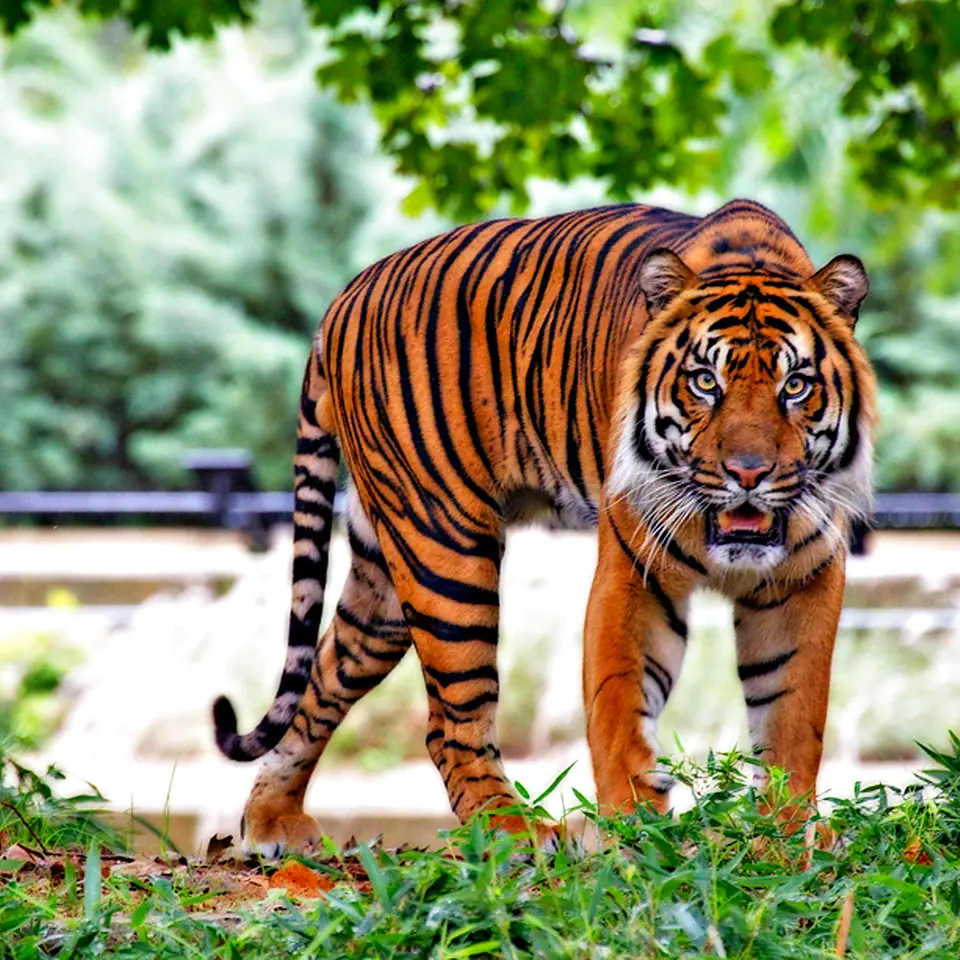
Sumatran tiger walking through a green habitat, representing conservation of the critically endangered speciesImage provenance

Three Sumatran tiger cubs add to a global conservation safety population.

At Attica Zoological Park near Athens, three two-month-old Sumatran tiger cubs received their first vaccinations and identification microchips as part of an international effort to maintain a backup population for the critically endangered species. Zoo and wildlife veterinarian Dr. Arsinoi Psaroudaki, mammal curator Antonis Balas and head keeper Theodoros Babilis are among the team highlighted by AP. With as few as 400 believed to remain in the wild, managed zoo populations may support potential future reintroductions.

Why it mattersBHOC Initiative: veterinary medicine + endangered species + conservation
Greater one-horned rhinoceros in Assam, representing wildlife rescue and conservation infrastructurePhoto: Wikimedia Commons · CC0

Assam advances ₹534 crore Wildlife Safari and Rescue Centre.

Assam is moving ahead with a 235-hectare wildlife complex in Dibrugarh. Phase I includes a veterinary hospital and wildlife rescue centre for species including rhinoceroses, tigers, leopards and bears; Phase II adds advanced research infrastructure. The project brings wildlife treatment, rehabilitation, research and conservation capacity into one major facility.

Why it mattersBHOC Initiative: veterinary + rescue + research infrastructure
European turtle dove representing species recovery and reintroduction in the South DownsPhoto: Ron Knight · Wikimedia Commons

Thirty turtle doves released to rebuild a South Downs stronghold.

Thirty European turtle doves were released in Hampshire after a roughly 98% UK population decline from their late-1960s peak to 2023. Habitat work includes restored ponds, hedgerows and food plants, while another 100 birds are being prepared for 2027. One released female returning to lay eggs is an early biological signal worth watching.

Why it mattersRecovery pathway: release → migration → return → reproduction
Edinburgh, host city of the International Conservation Translocation Conference 2026Photo: Gary Campbell-Hall · CC BY 2.0

Global conservation translocation specialists meet in Edinburgh.

The 4th International Conservation Translocation Conference brings together specialists in reintroduction, ecosystem restoration and conservation management, with 174 presentations. Organisers include NatureScot, the University of Edinburgh’s Royal (Dick) School of Veterinary Studies, the Royal Botanic Garden Edinburgh and the Royal Zoological Society of Scotland.

Why it mattersPriority network: wildlife vets + IUCN + reintroduction science
BHOC Veterinary land wildlife scene representing wildlife welfare and responsible tourismBHOC Veterinary visual

Responsible wildlife tourism begins with preserving choice and distance.

Jeff Kremer shared a public campaign, drawing on material from Humane World for Animals, that challenges tourist attractions allowing direct contact with wild animals. The discussion highlights the long-term welfare cost of turning wild animals into photo props and calls for tourism that protects natural behaviour.

Why it mattersBHOC Initiative: animal welfare + public education
Mexican wolf, an endangered species included in a US federal protection reviewPhoto: Jim Clark / USFWS · Public domain

Federal order starts review of gray wolf and Mexican wolf protections.

A White House executive order directs the Interior Secretary, within 90 days, to determine whether gray wolves and Mexican wolves meet Endangered Species Act recovery criteria for delisting or downlisting. The order itself does not delist the wolves. It initiates a policy and scientific review that could materially change future protection and management.

Why it mattersConservation intelligence includes regulatory risk
Red-billed chough representing the species reintroduction and recovery program in KentPhoto: Hobbyfotowiki · CC0

Eight wild-born red-billed chough chicks mark a recovery turning point.

Eight chicks fledged naturally in Kent this summer, bringing the county population to 35 choughs, including nine born in the wild. The partnership led by Kent Wildlife Trust and Wildwood Trust returned the species after more than two centuries of absence. The key milestone is no longer release alone: the birds are breeding and expanding their range.

Why it mattersOutcome metric: survival + reproduction + range expansion

Mars Impact Fund backs long-term veterinary capacity through a $3 million WVS grant.

Andy Pharoah, Vice President of Corporate Affairs and Sustainability at Mars, is associated with a Mars Impact Fund grant round awarding more than $13 million to six partners. Worldwide Veterinary Service received $3 million for a Thailand rabies-elimination programme designed to strengthen local veterinary infrastructure and protect animals and communities. Durable veterinary capacity is as important as campaign activity.

Why it mattersBHOC Initiative: veterinary infrastructure + One Health
BHOC Veterinary land wildlife scene representing habitat, conservation law and species protectionBHOC Veterinary visual

New research connects wildlife survival with territory, migration routes and access to resources.

Pablo P. Castelló, Faculty Co-Director of Animals Forward and Research Fellow in the Animal Law Program at the University of Denver, shared a new American Journal of Political Science publication on the political interests of wild animals. Treating an injured animal is only one part of protection when survival also depends on habitat, movement corridors and ecological continuity.

Why it mattersBHOC Initiative: conservation medicine + habitat protection
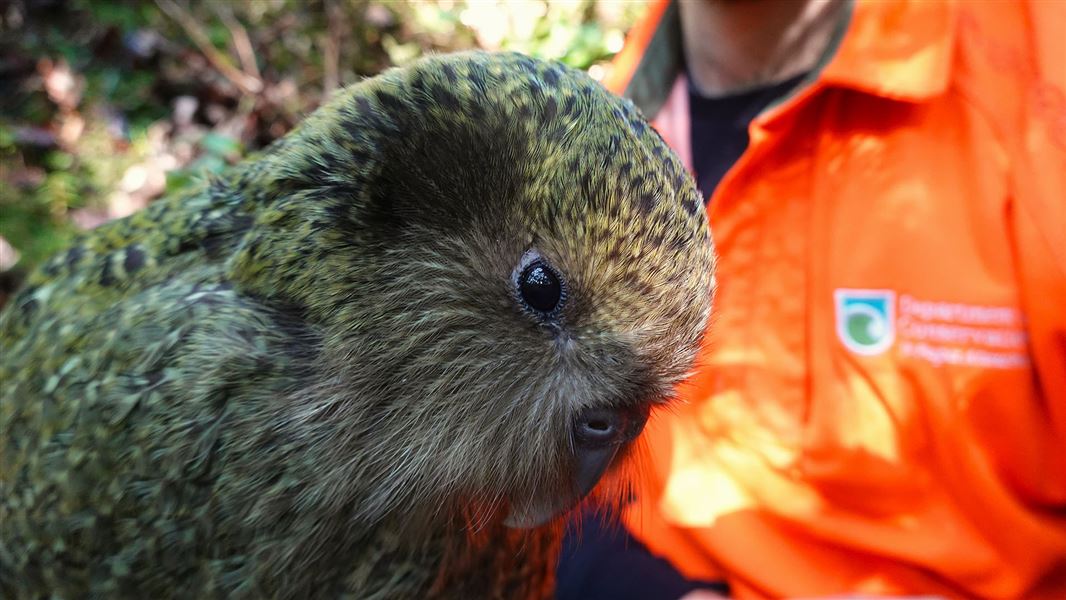
Kākāpō in New Zealand's critically endangered species recovery programmePhoto: Sarah Manktelow / DOC

Kākāpō population reaches a recovery-era high of 325 birds.

Ninety chicks from the 2026 breeding season were added to the official population, taking the critically endangered kākāpō to 325 birds. The recovery programme began in 1995 with only 51 birds. New approaches increasingly use remote nest technology and reduced intervention, moving from intensive rescue toward more natural breeding and long-term population resilience.

Why it mattersRecovery metric: population growth + reduced intervention

BHOC Initiative Scout method: BHOC Initiative Scout applies a high publication threshold and screens every candidate for duplication. New items are added only for exceptional rescue or recovery outcomes, globally significant conservation initiatives, or substantive new milestones; routine news is excluded.

BHOC channels

Evidence and professional discussion.

BHOC LinkedIn

Company news, scientific discussion and BHOC publications.

Open LinkedIn

BHOC VET-platform

Guided veterinary evidence map, oxygen biology and routes into the source library.

Open evidence platform

Veterinary Evidence Library

Source-linked bibliography, regulatory records and publication archive.

Open full library
BHOC Veterinary. BHOC Vet.

From nature.
Through science.
Back to nature.

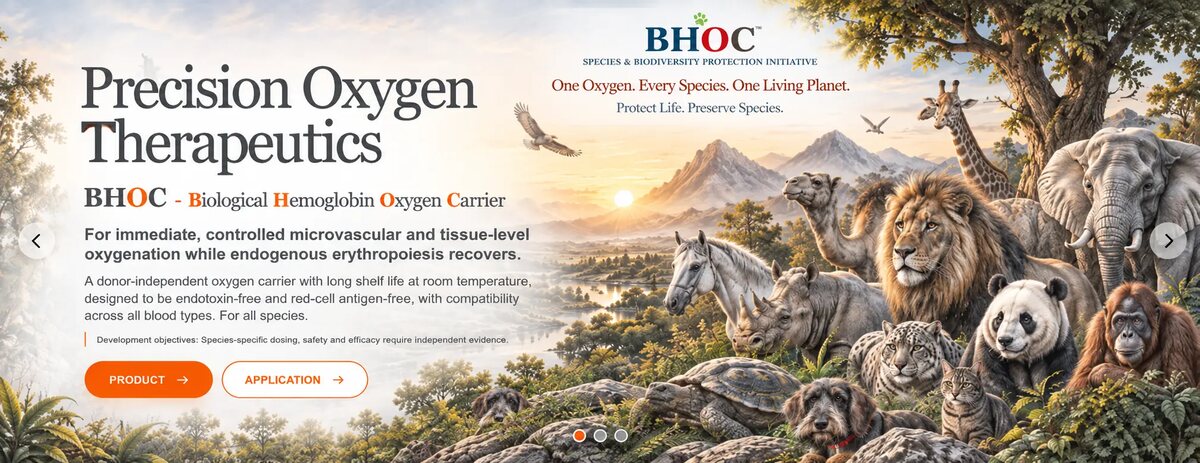
BHOC Veterinary Therapeutics, also known as BHOC Vet, is led by Archil Jaliashvili. The BHOC Species & Biodiversity Protection Initiative connects oxygen delivery science with the future of animal health and species protection.

Our foundation is comparative biology: different species have different blood group systems, yet most vertebrates share hemoglobin-based oxygen transport. We explore how this foundation can inform species-specific research and development.

Meet BHOC Therapeutics
Different species. Shared biology.
Explore species

Different lives. One shared tomorrow.

Explore the biology and conservation context of our featured species.

Species inclusion illustrates the initiative’s scope. It is not a claim of treatment approval.

Explore BHOC Veterinary.