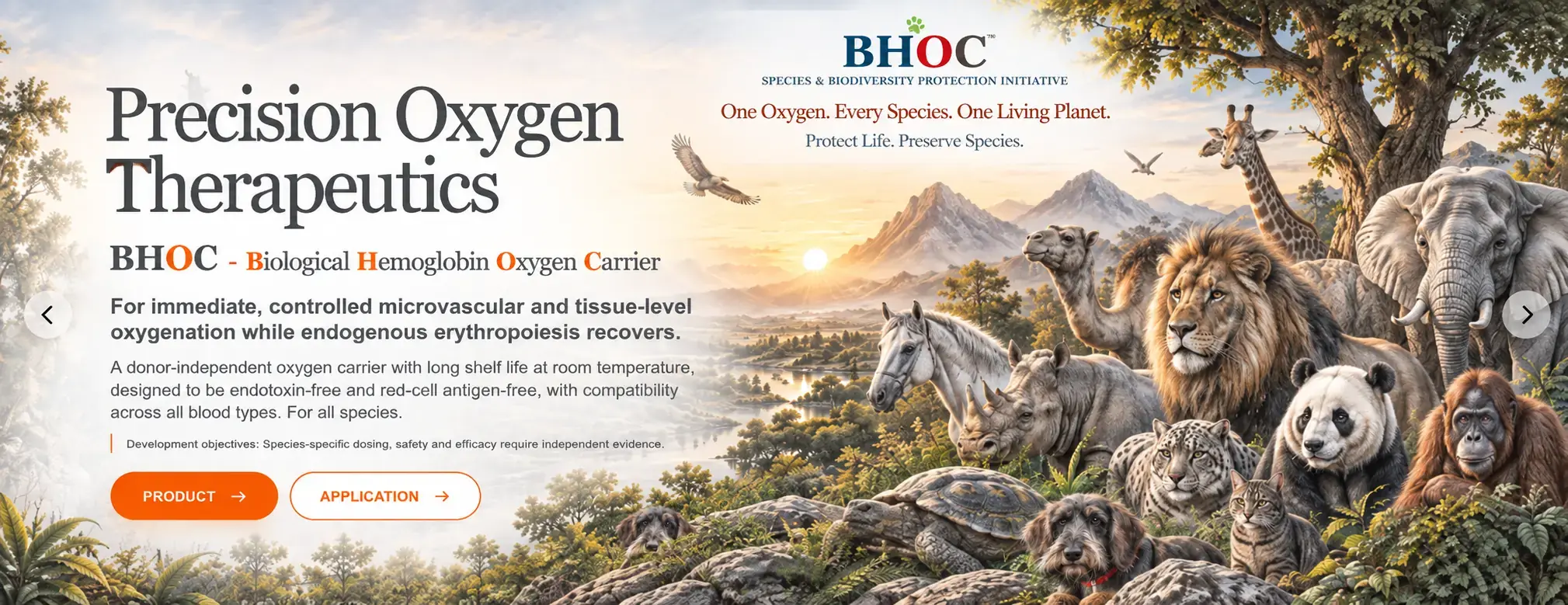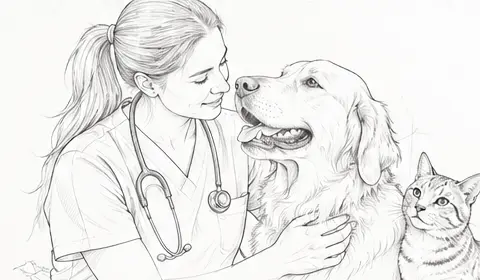






Pencil illustration of a lion, giraffe, horse, elephant, cat, wirehaired dachshund, camel, orangutan and marine turtle in a warm landscape. A small dog peeks through the distant grass.
BHOC Species and Biodiversity Protection Initiative. Wildlife surrounds the Earth inside a green oxygen symbol.Species & Biodiversity Protection InitiativeOne Oxygen. Every Species. One Living Planet.Protect Life. Preserve Species. Safeguard Biodiversity.Explore the initiative

Biological Hemoglobin
Oxygen Carrier BHOC

A new perspective in Precision Oxygen Therapeutics

Designed for blood type independence.
Built for research across species.

Biodiversity context

Sources and scope

Animal count: Catalogue of Life, 26 August 2026. Assessment and threat counts: IUCN Red List 2026-1, 9 July 2026. The IUCN totals span all assessed taxonomic groups.

Nature kept the core.
Bioengineers build on
that foundation.

Across vertebrate species, oxygen transport shares a common molecular foundation in hemoglobin.

Our science

Helping animals today.
Preserving tomorrow.

Because every species matters.

A healthier tomorrow for all species
BHOC Veterinary. BHOC Vet.

From nature.
Through science.
Back to nature.

BHOC Veterinary Therapeutics, also known as BHOC Vet, is led by Archil Jaliashvili. The BHOC Species & Biodiversity Protection Initiative connects oxygen delivery science with the future of animal health and species protection.

Our foundation is comparative biology: different species have different blood group systems, yet most vertebrates share hemoglobin based oxygen transport. We explore how this foundation can inform species specific research and development.

Meet BHOC Therapeutics
Veterinary applications

Oxygen delivery.
Species specific evidence.

BHOC, Biological Hemoglobin Oxygen Carrier, is a development direction in precision oxygen therapeutics. Veterinary research asks how tissue oxygen delivery might be supported when anemia or blood loss limits oxygen-carrying capacity.

A canine regulatory precedent

In 1998, the FDA approved Oxyglobin (hemoglobin glutamer-200, bovine) for anemia in dogs. This historical HBOC approval is specific to that product and indication. It does not establish BHOC approval or suitability in other species.

Read the original FDA approval

Our research interests include companion-animal care, emergency oxygen support and the practical challenges of wildlife medicine. Dosing, safety and efficacy require evidence for each species and application.

Discuss a collaboration
Let’s build a healthier tomorrow

Life connects us.
Science moves us forward.

For veterinary research, conservation collaborations and strategic partnerships, contact BHOC Therapeutics.

Email our team

info@bhoctherapeutics.com

Evidence & context

Scientific references.

  1. Catalogue of Life

    Animalia: 1,780,634 species. Version 2026-08-26 XR, issued 26 August 2026.

  2. IUCN Red List 2026-1

    175,909 species assessed; 49,505 threatened. Release: 9 July 2026. Totals across assessed taxonomic groups.

  3. ChEBI: heme

    Iron containing tetrapyrrole chemistry.

  4. ChEBI: chlorophyll

    Magnesium containing photosynthetic pigments.

  5. Corliss et al., 2019. Antarctic icefish physiology

    Biological context for vertebrates without circulating hemoglobin.

  6. FDA: original Oxyglobin approval summary

    NADA 141-067, 12 January 1998. Canine anemia indication.

Scientific information relevant to BHOC and oxygen therapeutics. Third party references do not imply affiliation or endorsement.

The science of oxygen delivery

A biological foundation.
A precise research question.

Hemoglobin binds oxygen through iron containing heme groups. Oxygen delivery also depends on blood flow, oxygen affinity, microcirculation and tissue demand.

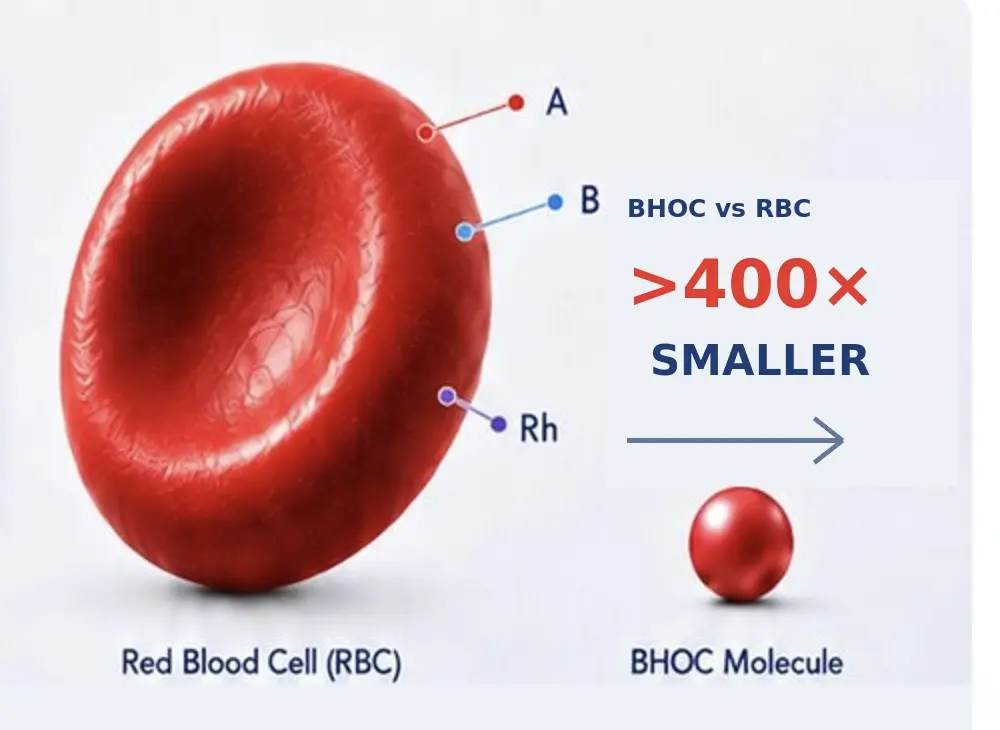
Hemoglobin based oxygen carriers (HBOCs) investigate a cell free approach to oxygen transport. BHOC builds on this field as a Biological Hemoglobin Oxygen Carrier development platform. The objective is tissue oxygen support, complementary to the wider functions of blood.

Nature’s bioengineering

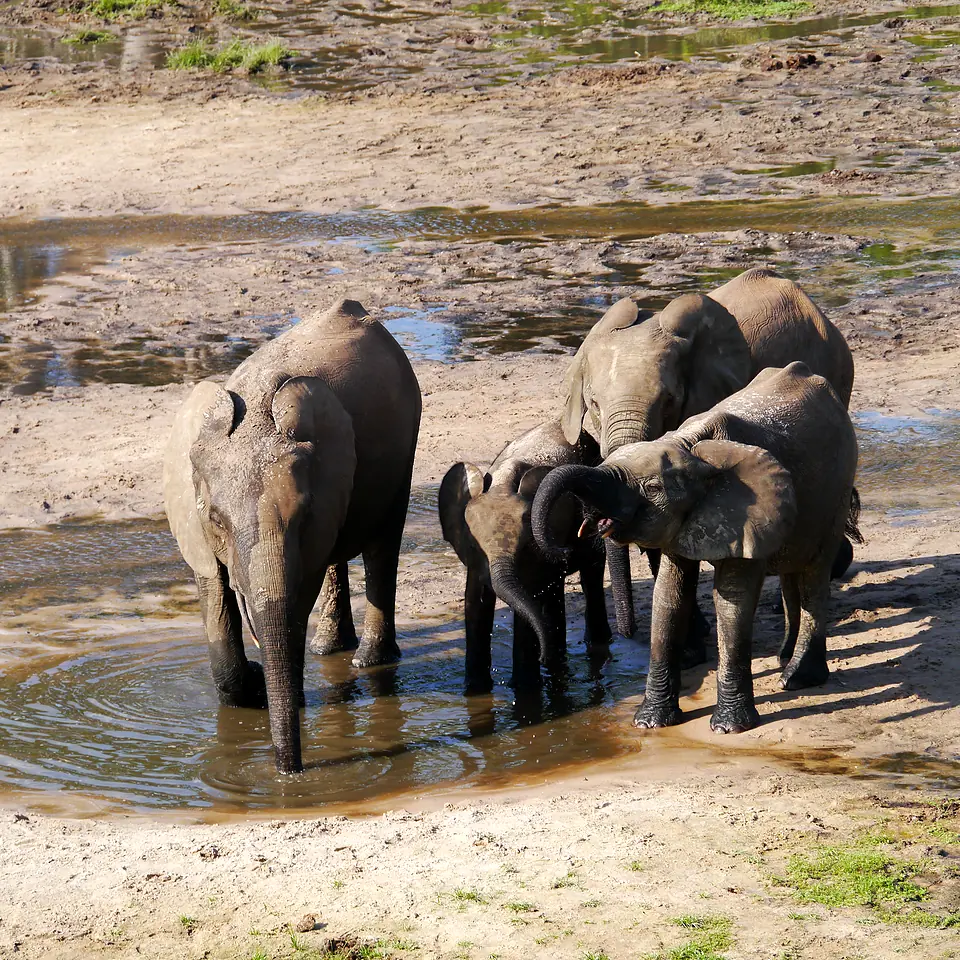
Most vertebrates use hemoglobin, with important exceptions such as Antarctic icefish. Conserved chemistry is a starting point for research; species specific physiology still matters.

Heme & chlorophyll

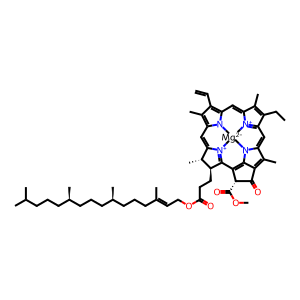
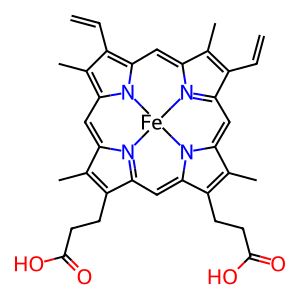
Both belong to related tetrapyrrole chemistry. Heme coordinates iron; chlorophyll coordinates magnesium. Their ring structures and side chains differ, as do their biological roles. Hemoglobin transports oxygen; chlorophyll absorbs light in photosynthesis.

Molecular structures: ChEBI, EMBL-EBI. Heme b (CHEBI:26355) and chlorophyll a (CHEBI:18230).

Scientific references
Different species. Shared biology.
Explore species

Different lives. One shared tomorrow.

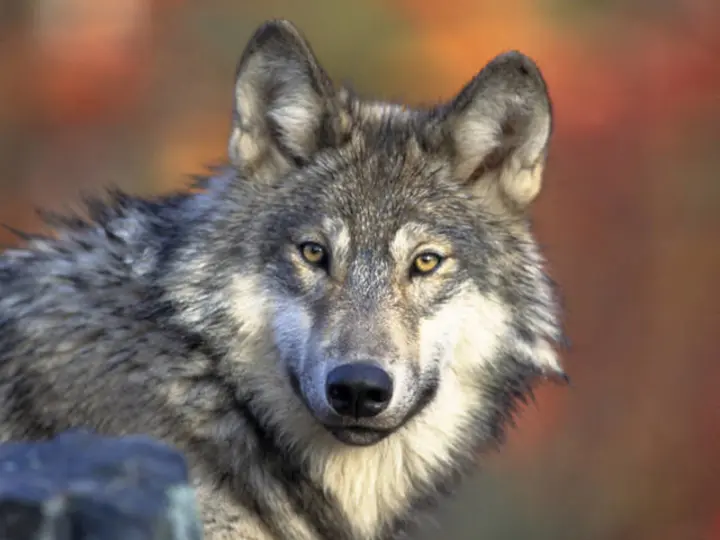
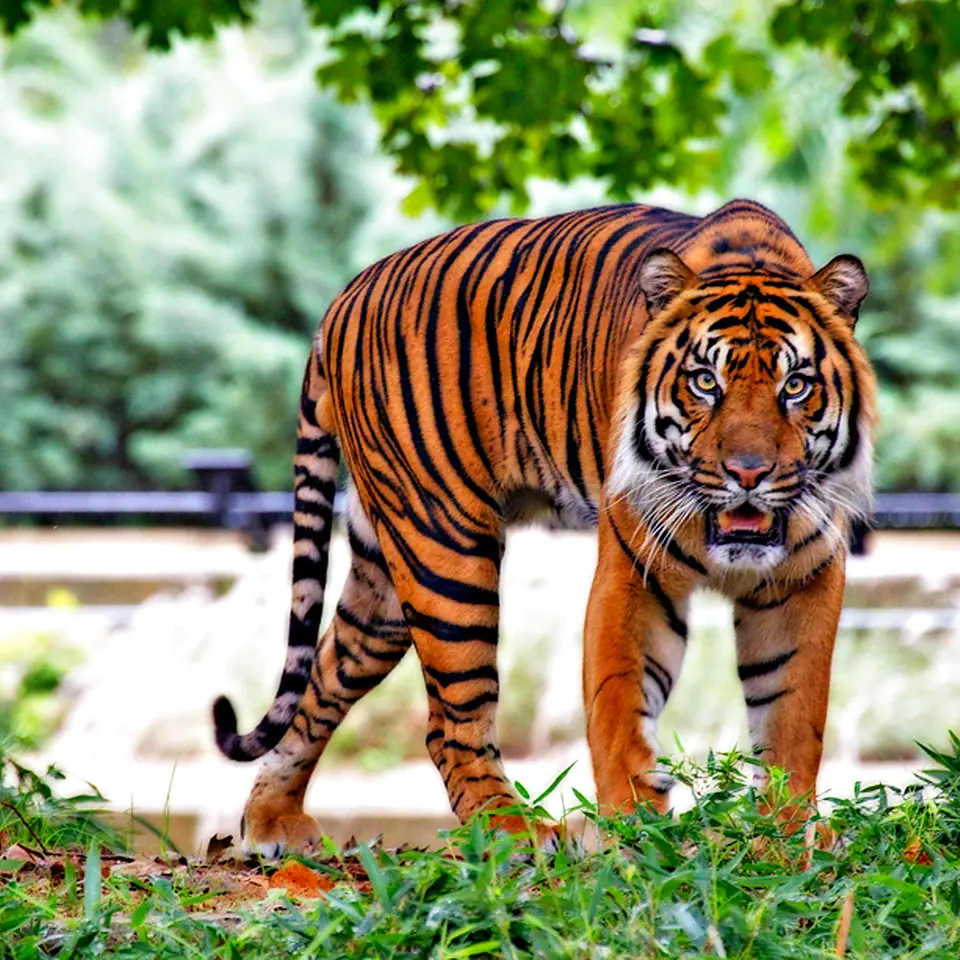
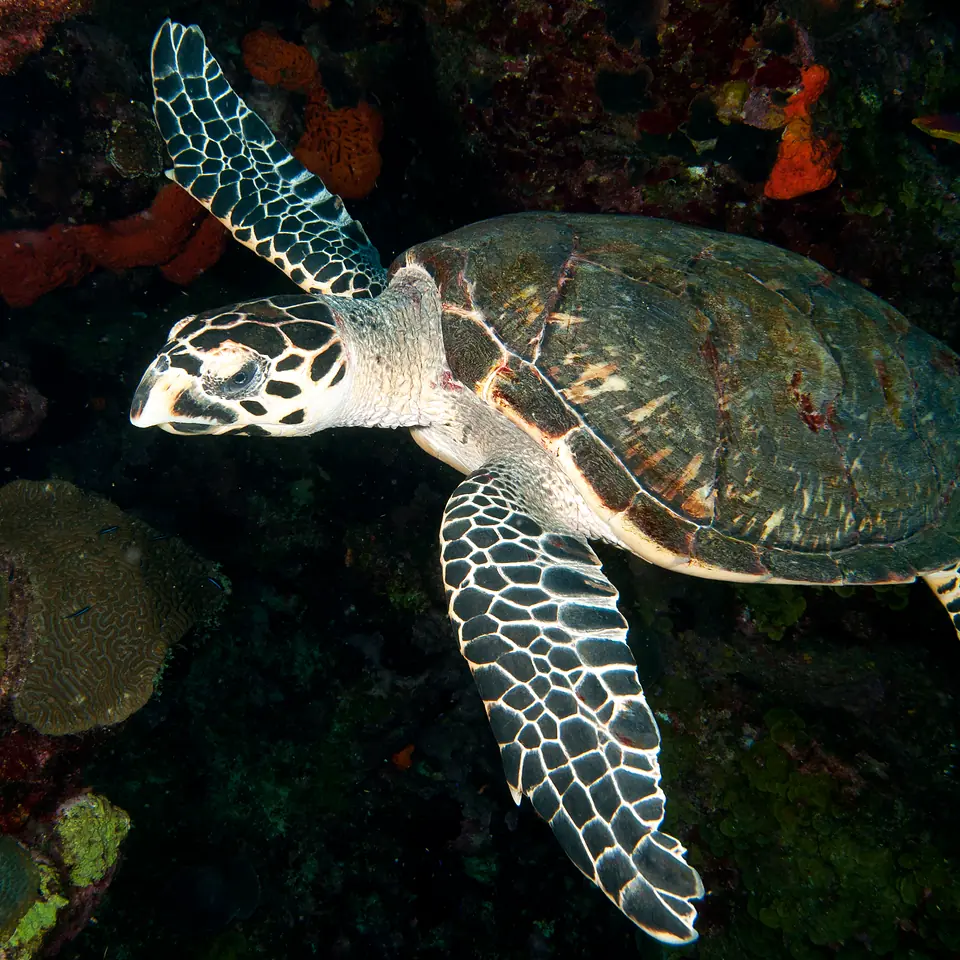
Explore the biology and conservation context of our featured species.

Species inclusion illustrates the initiative’s scope. It is not a claim of treatment approval.

Explore BHOC Veterinary.